
How Going Green Can Save You Money
Going green isn't just good for the planet — it can dramatically cut your household costs. Learn how solar panels, EVs and home upgrades pay for themselves, and how a green loan can accelerate those savings.

Australian energy bills have been climbing for years, and most households are feeling it. If you've been quietly dreading your next electricity statement, you're not alone — average residential electricity prices have risen by more than 20% since 2022, according to the Australian Energy Regulator.
Here's the thing though: the same technology that reduces your environmental footprint can also put real money back in your pocket. Solar panels, electric vehicles, and targeted home energy upgrades are no longer just for early adopters — they're increasingly sound financial decisions. And with green loans making the upfront investment far more manageable, the numbers often work out better than many people expect.
In this guide, you'll learn exactly how much you can save with the most popular green upgrades, what government incentives are available to you right now, and how a green loan can help you start capturing those savings sooner rather than later.
Why Going Green Makes Financial Sense
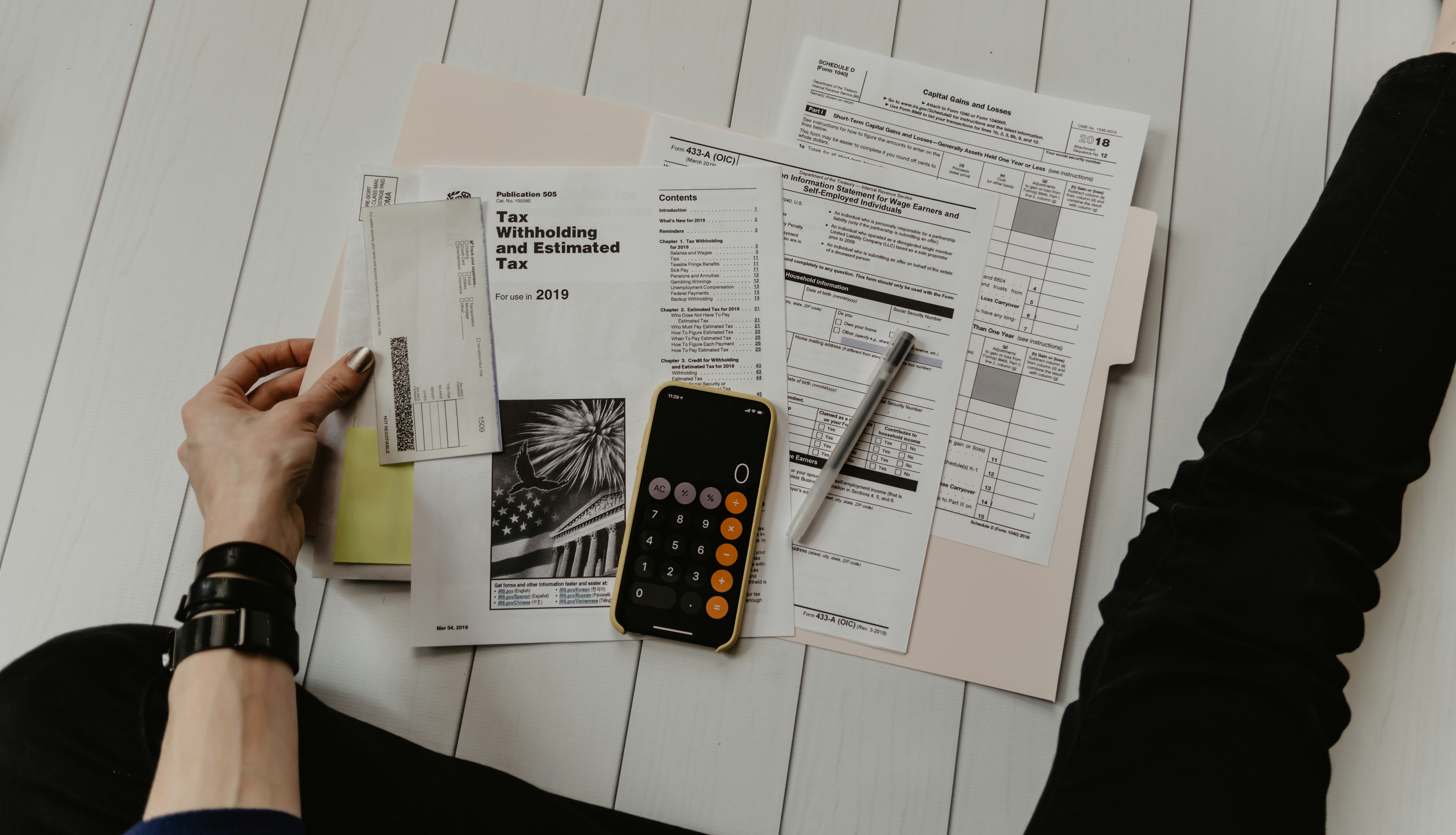
Image Credit: Towfiqu barbhuiya / Unsplash
The average Australian household spends around $1,800 to $2,200 per year on electricity, according to figures from the Australian Energy Market Operator (AEMO). In states like Queensland and New South Wales, that figure can climb even higher for larger homes or homes with older, inefficient appliances and heating and cooling systems.
When you invest in green upgrades, you're not just lowering your carbon emissions — you're reducing a recurring, unavoidable cost. Unlike most purchases that depreciate the moment you use them, green energy assets actively generate savings month after month, often for 20–30 years.
The financial logic works like this: you pay a one-off (or financed) cost upfront, and in return you get a stream of ongoing savings. Once the upfront cost is recovered — the "payback period" — everything after that is pure financial gain. For many Australian households, that payback period is now under five years.
The other factor worth understanding is energy price trajectory. Electricity prices are expected to remain volatile and generally higher than historical averages as the grid transitions to renewables. Every unit of electricity you generate yourself or avoid using is insulation against future price rises. That makes the investment case stronger today than it was even five years ago.
Solar Panels: Your Rooftop Power Station
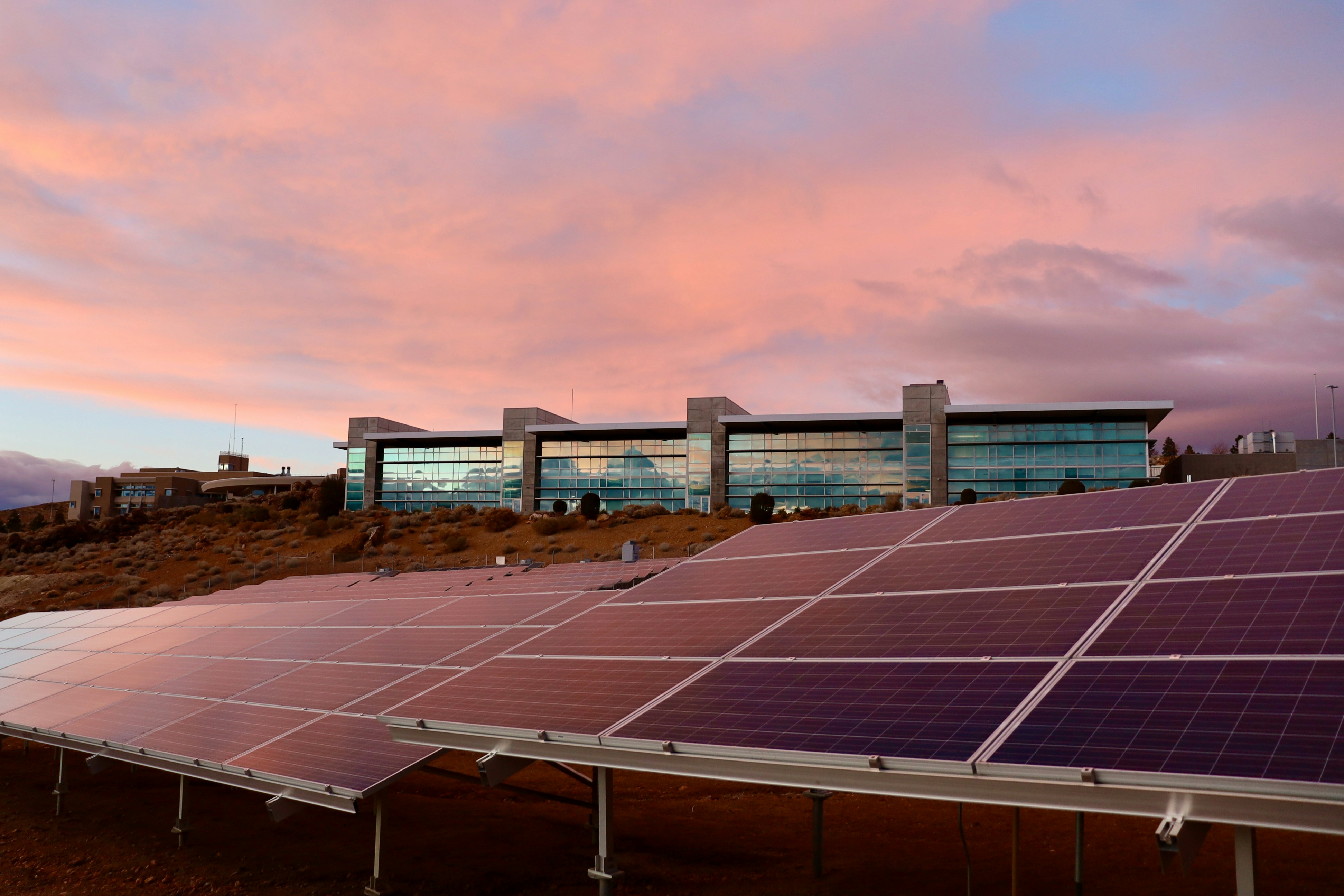
Image Credit: Moritz Kindler / Unsplash
Solar is the most widely adopted green upgrade in Australia, and for good reason. Australia has some of the highest rooftop solar penetration rates in the world — over 3.7 million households now have panels installed, according to the Clean Energy Council.
What does a solar system cost?
A standard 6.6kW solar system — suitable for a family home — typically costs between $5,500 and $9,000 installed, before any government rebates. After applying the federal Small-scale Technology Certificate (STC) rebate (see the government incentives section below), the effective out-of-pocket cost generally drops to around $3,500 to $6,500.
Larger 10kW systems, popular with households that have electric hot water or work from home, typically run $8,000 to $14,000 before rebates.
How much can solar actually save you?
Savings depend on how much electricity you use during daylight hours and your local feed-in tariff (the rate your retailer pays you for excess power you export to the grid). A typical family household in Sydney or Melbourne can expect to save between $1,200 and $2,000 per year on their electricity bills with a well-sized 6.6kW system.
Example: A household in Brisbane paying $2,000 a year for electricity installs a 6.6kW solar system for $5,000 after the STC rebate. Their annual electricity bill drops to around $600, saving $1,400 per year. At that rate, the system pays for itself in approximately 3.6 years — and continues generating savings for another 20-plus years.
What about a solar battery?
Adding a battery storage system (typically 10–15kWh capacity) lets you use your solar generation after dark, further reducing reliance on the grid. Battery systems cost between $8,000 and $16,000 installed and have longer payback periods of 7–12 years. The economics are strongest in states with high electricity prices and lower feed-in tariffs — which increasingly describes most of Australia as feed-in rates have fallen.
Electric Vehicles: They Make More Sense Than You Think
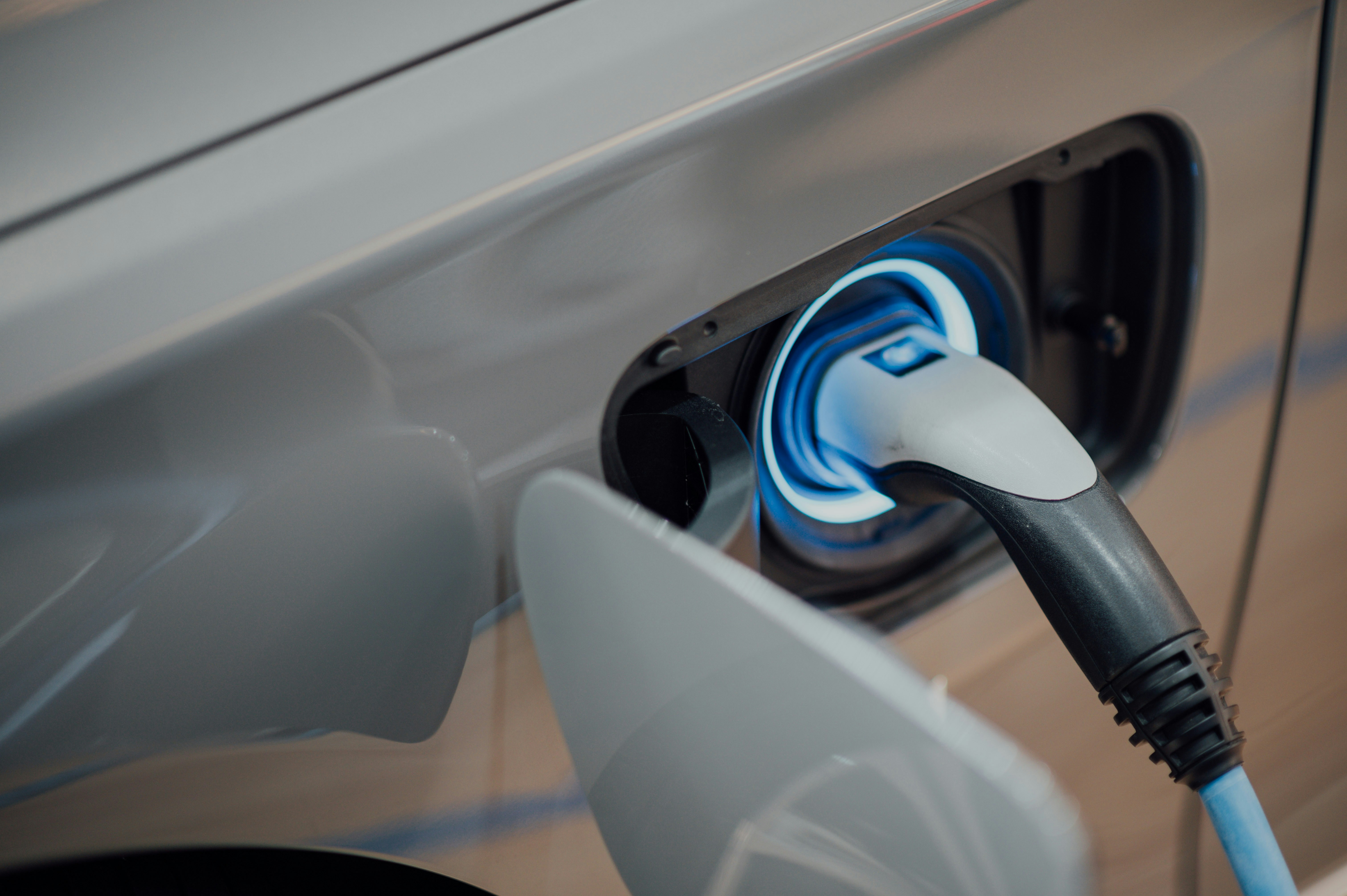
Image Credit: dcbel / Unsplash
Australia's EV market is growing rapidly, with new model availability and falling prices making electric vehicles a realistic choice for a broader range of buyers. But beyond the environmental appeal, the running cost savings are compelling.
Fuel costs: the stark comparison
Fuel prices are wildly volatile at the moment, so extreme events excluded, the typical cost of petrol has been sitting over $2.00 per litre in most Australian capital cities. So, a typical petrol car travelling 15,000 km per year with a fuel efficiency of 9 litres per 100km will spend at least $2,700 on fuel annually.
The equivalent EV, charged predominantly at home on a standard electricity tariff, will cost roughly $3.50 to $5.00 per 100km — around $525 to $750 per year for the same 15,000 km. If you have solar panels, the cost can drop even further, sometimes approaching zero during daylight charging.
That's a fuel saving of $2,000 or more per year, every year you own the vehicle.
Maintenance savings
EVs have significantly fewer moving parts than petrol vehicles — no oil changes, no timing belts, no exhaust systems, and regenerative braking reduces brake pad wear. Independent analysis consistent with Australian market data suggests EV owners spend, on average, 30–40% less on servicing and maintenance over a vehicle's lifetime compared to an equivalent internal combustion engine car.
The FBT exemption — a major incentive for employees
If you're buying an EV through a salary packaging arrangement with your employer, the Fringe Benefits Tax (FBT) exemption for eligible zero and low emission vehicles (priced under the luxury car tax threshold — currently $91,387 for the 2026–27 financial year) can dramatically reduce the effective cost. For many salaried employees, this is one of the most financially impactful ways to acquire an EV in Australia.
Home Energy Improvements That Pay for Themselves

Image Credit: David Mullins / Unsplash
Solar and EVs get most of the attention, but there's a range of home improvements that deliver strong returns with lower upfront costs.
Hot water heat pumps
Heating water accounts for roughly 18–25% of the average Australian household's energy use, according to the Department of Climate Change, Energy, the Environment and Water. Switching from a conventional electric hot water system to a heat pump hot water system can cut hot water energy costs by up to 75%.
A quality heat pump hot water unit typically costs $1,500 to $3,500 installed (rebates available in many states). At an average saving of $500 to $700 per year, payback periods range from 2.5 to 5 years.
Insulation and draught sealing
Adequate ceiling insulation and draught sealing reduce the energy needed to heat and cool your home. The Australian Government's YourHome guide notes that heating and cooling account for around 40% of household energy use, and that well-insulated homes can reduce this by 30–50%.
Ceiling insulation typically costs $1,500 to $3,000 for a standard home. It's not glamorous, but it consistently delivers solid returns, especially in states with cold winters like Victoria, the ACT, and Tasmania.
LED lighting
If you still have halogen or older fluorescent lighting, switching to LED is one of the fastest-payback green upgrades available. LEDs use 75–80% less energy than halogen globes, cost as little as $5 to $15 per globe, and last 10–25 times longer. A full home LED retrofit can often be done for under $300 and pays for itself within a year.
Example: A family home with 20 downlights switches from 50W halogens to 8W LEDs. That's a saving of 840 watts every time all lights are on. At an average of 4 hours of use per day and a tariff of $0.32/kWh, the saving is approximately $130 per year — on an investment of around $250.
Green Loans: What They Are and How They Can Help

Image Credit: Scott Graham / Unsplash
The main barrier to green upgrades for most households isn't motivation — it's the upfront cost. A green loan is a personal loan product specifically designed to finance environmentally friendly purchases, and it can bridge the gap between wanting to go green and being able to afford it today.
How green loans work
Green loans generally function like standard personal loans: you borrow a fixed amount, repay it in regular instalments over an agreed term (typically 1–7 years), and pay interest on the outstanding balance. The key difference is that many lenders offer preferential interest rates for green purposes — recognising that the funded asset reduces your long-term costs and risk profile.
Interest rates on green personal loans from Australian lenders currently range from approximately 5.99% to 14% per annum (comparison rate), depending on the lender, your credit profile, and the loan amount. Some lenders, including Bank Australia and specialist green finance providers backed by the Clean Energy Finance Corporation (CEFC), have specific green loan products with rates at the more competitive end of that range.
What can a green loan finance?
Most green loan products will cover:
- Solar panel systems and associated installation costs
- Battery storage systems
- Electric and hybrid vehicles (some lenders offer dedicated EV loan products)
- Heat pump hot water systems
- Home insulation, double glazing, and draught sealing upgrades
- Energy-efficient appliances (reverse-cycle air conditioners, induction cooktops, LED lighting upgrades)
Always confirm the lender's eligible use categories before applying, as definitions vary.
The loan does the maths in your favour
The key insight with a green loan is that the savings from the upgrade often exceed the loan repayments from day one — meaning the upgrade is cash-flow positive immediately, even while you're repaying the debt.
Example: You take out a $7,000 green loan at 8.5% per annum over 5 years to install a 6.6kW solar system. Your monthly repayments are approximately $143. Your electricity bill drops by $150/month. You're $7 ahead every single month from the moment the panels go on the roof — and at the end of 5 years, you own the asset outright and pocket the full $150 saving indefinitely.
Not every scenario works out this cleanly, but the general principle holds: when the savings exceed the repayment cost, green finance pays for itself.
Australian Government Incentives and Rebates
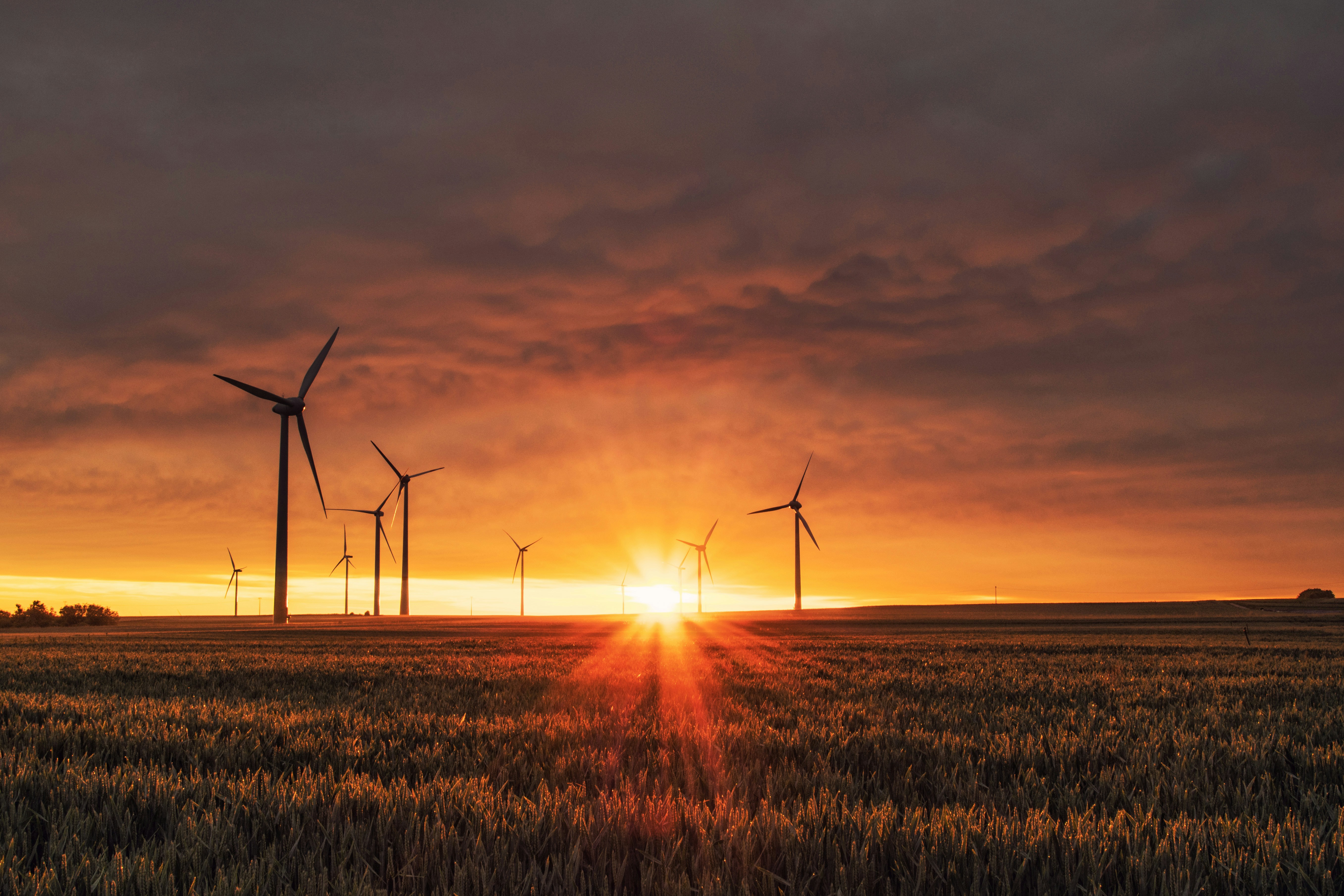
Image Credit: NASA / Unsplash
Before you do any financial modelling on a green upgrade, it's worth understanding what government support is available — because it can substantially change the numbers.
Federal: Small-scale Technology Certificates (STCs)
The federal government's STC scheme provides an upfront discount on eligible solar PV, solar hot water, and heat pump systems. The value of STCs depends on system size, location, and the deeming period. For a 6.6kW solar system in Melbourne or Sydney, the STC discount is currently worth approximately $1,500 to $2,500 — automatically applied as a point-of-sale discount by your installer.
State and territory rebates
Most Australian states and territories offer additional rebates on top of the federal STC scheme, such as:
- Victoria: The Solar Homes program offers rebates up to $1,400 for heat pumps and solar hot water products as well as interest-free loans.
- New South Wales: The NSW Government’s Peak Demand Reduction Scheme (PDRS) offers rebates of up to $2,400 for battery installations.
- Queensland: Various rebates and loan programs are available for both home owners and landlords.
- South Australia and Western Australia have or have had similar targeted programs.
Most states and territories offer a solar rebate or incentive program of some description, and access to interest-free loans. However, there is a lot of changes in this space with the government, both state and federal, cutting back significantly on what's available. So it's always best to check directly with your state government or the federal Clean Energy Regulator for current offers before purchasing.
Next Steps
You've now got a solid picture of the financial case for going green in Australia. Solar panels, EVs, and home energy improvements each deliver real, measurable savings — and when those savings exceed the cost of finance, green loans can make the decision a genuinely profitable one from day one.
Key Takeaways
- The average Australian household spends $1,800–$2,200 per year on electricity — green upgrades directly reduce this recurring cost.
- A typical 6.6kW solar system pays for itself in 3–6 years and delivers savings for 20-plus years.
- EVs cost as little as $3.50/100km to run on home electricity, versus $15–18/100km for a petrol car — a potential saving of $2,000+ per year.
- Heat pump hot water systems, insulation, and LED lighting all offer payback periods under 5 years and require comparatively modest upfront investment.
- Green loans allow you to access the asset today and repay it from the savings it generates — in many cases the upgrades are cash-flow positive from month one.
- Federal STC rebates and most state government programs can reduce your upfront cost, but this can, and does, change often. So always check current availability before purchasing.
Ready to explore your options?
A personal loan is one of the most flexible tools for financing green upgrades — and with competitive rates available, it's worth comparing your options before you commit.
Compare personal loans on MoneyMart — filter by loan amount, term, and interest type to find a loan that works for your next green upgrade project.
If you'd like to model the total cost of a loan before applying, our personal loan calculator lets you compare repayments across different amounts and terms in seconds.
Disclaimer: This information is general in nature and does not consider your personal circumstances. Consider seeking professional financial advice before making any decisions.